
Hi, I'm Darren W.. I live in Indiana. Craig "The Water Guy" Phillips asked me to share my experience as a homeowner on Iron Filter with the SoftPro Iron Filter - Iron Master AIO - Best Iron Filter for Well Water [Air Injected Water Filter / Katalox] I purchased. This is how my adventures played out. I hope this helps you in your decision.
Did you know that over 25% of American households rely on private wells, and iron contamination affects nearly 40% of these water sources? I certainly didn't until I moved into my dream home in rural Indiana and discovered that my "crystal clear" well water was anything but clear once it sat in a glass for more than a few minutes.
The reddish-brown stains creeping across my white porcelain fixtures told a story I didn't want to read. My morning coffee tasted metallic, my laundry came out with mysterious orange spots, and guests politely declined second glasses of water. After six months of battling iron-contaminated well water with the SoftPro Iron Master filter system, I'm ready to share the unfiltered truth about this investment.
This isn't just another product review—it's a detailed account of my journey from rusty, metallic-tasting water to the crystal-clear results I enjoy today. I'll walk you through the real-world performance, honest installation challenges, ongoing costs, and whether this system truly delivers on its promises.
The Iron Problem That Drove Me to Find a Solution
When I first turned on the tap in my new Indiana home, the water looked perfectly clear. "Great," I thought, "at least I don't have to worry about water quality issues." How wrong I was.
Within three weeks of moving in, I noticed my white kitchen sink developing orange-brown stains that seemed impossible to remove. My wife's favorite white blouses came out of the washing machine with rust-colored splotches that looked like someone had splattered them with diluted paint. The metallic taste in our morning coffee became so pronounced that we started buying bottled water just for brewing.
But what exactly was happening in our water system?
After some research, I learned that our well water contained ferrous iron—dissolved iron that's invisible when it first comes out of the tap but oxidizes when exposed to air. This oxidation process turns the clear ferrous iron into visible ferric iron, creating those telltale reddish-brown particles and stains.
I had our water tested by a local laboratory and discovered we had 4.2 parts per million (PPM) of iron. The EPA's secondary standard recommends keeping iron levels below 0.3 PPM for aesthetic reasons. We were dealing with iron levels nearly 14 times higher than recommended—no wonder everything was turning orange.
The financial impact became clear quickly. I calculated we were spending $180 monthly on bottled water for drinking and cooking. Our dishwasher developed a film on the heating element, and I had to replace our coffee maker after just two months because the internal components became clogged with iron buildup. The iron was also feeding bacteria in our water heater, creating a sulfur smell that made hot showers unpleasant.
I tried several stopgap measures before committing to a whole-house solution. Pitcher filters helped slightly with taste but couldn't handle the volume we needed. Iron removal cartridges for individual faucets worked temporarily but required replacement every three weeks at $25 each. Point-of-use reverse osmosis systems addressed drinking water but left the iron problem everywhere else in the house.
Research Journey: Why I Chose Air Injection Technology
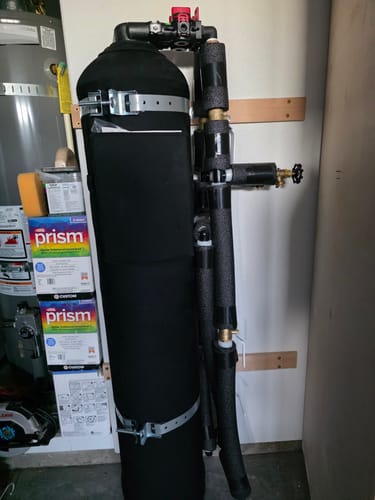
My research into iron removal systems revealed several competing technologies, each with distinct advantages and limitations. Understanding these differences became crucial for making an informed decision.
Traditional oxidizing filters use potassium permanganate or chlorine to convert ferrous iron to ferric iron, then trap the particles in a media bed. While effective, these systems require ongoing chemical purchases and careful handling of oxidizing agents. The thought of storing potassium permanganate in my basement didn't appeal to me, especially with young children in the house.
Katalox Light systems caught my attention because they combine iron removal with other contaminants like manganese and hydrogen sulfide. The media acts as both an oxidizer and filter, reducing chemical requirements. However, the regeneration process requires precise backwash timing and higher flow rates than my well pump could reliably provide.
What made air injection technology stand out for my situation?
The Iron Master uses atmospheric air—the most abundant oxidizing agent available—to convert ferrous iron to ferric iron. An air pocket at the top of the tank mixes with incoming water, promoting rapid oxidation. The oxidized iron particles then get trapped in the media bed below.
This approach eliminated my concerns about chemical storage and ongoing chemical costs. The system regenerates using only water and air, backwashing the accumulated iron particles down the drain. For someone dealing with iron as the primary contaminant, this seemed like the most straightforward and cost-effective solution.
Sizing calculations confirmed the Iron Master could handle our household's 12 gallons per minute peak demand while treating our 4.2 PPM iron levels. The system's 10 x 54 inch tank provided adequate contact time for complete oxidation at our flow rates, and the automatic regeneration cycle would run during low-usage periods overnight.
NSF/ANSI Standard 61 certification gave me confidence in the materials' safety for drinking water applications. The WQA Gold Seal validation provided third-party verification of the system's iron removal capabilities. These certifications differentiated the Iron Master from uncertified alternatives that made similar performance claims.
Unboxing and First Impressions
The Iron Master arrived on a freight pallet wrapped in heavy-duty plastic, which immediately signaled this was serious equipment. The main tank stood 54 inches tall—taller than I expected, though the dimensions were clearly listed in the specifications. The robust fiberglass construction felt substantial when I moved it into position.
Opening the components box revealed quality throughout: brass fittings instead of plastic alternatives, reinforced bypass valves rated for 150 PSI, and a control head that felt substantial in my hands. The Clack control valve bore clear NSF markings and smooth operation when I manually advanced it through its cycles.
The included installation manual impressed me with its clarity and detailed diagrams. Each step included multiple illustrations showing proper pipe positioning, electrical connections, and startup procedures. The troubleshooting section addressed common installation challenges I hadn't even considered yet.
One pleasant surprise was the inclusion of a water testing kit for verifying iron removal performance after installation. This demonstrated the manufacturer's confidence in the system and provided a way to document actual results rather than relying on subjective improvements.
The media—Katalox Light—came pre-loaded, eliminating the messy process of filling the tank myself. The air injection assembly was pre-installed and factory-tested, reducing potential installation complications. These details suggested careful attention to user experience beyond just the core technology.
Installation Experience: Professional vs DIY Decision

I spent considerable time debating whether to install the Iron Master myself or hire a professional. My background in construction gave me confidence with basic plumbing, but this system required integration with my existing well water setup in ways I'd never attempted.
The installation location required careful consideration. The basement offered easy access to the main water line, but I needed adequate clearance for the 54-inch tank plus additional height for removing the control head during future maintenance. The drain connection for backwash water needed to handle 8 gallons per minute flow rates without backing up.
I ultimately chose professional installation after realizing the electrical requirements exceeded my comfort level. The control valve needed 110V power with proper grounding, and integrating the system into my existing well pump controls required coordination I didn't want to risk getting wrong.
My installer, Mike from Hoosier Water Solutions, arrived with all necessary fittings and tools. His experience showed immediately—he identified the optimal location that met clearance requirements while minimizing pipe runs. The bypass valve installation included unions that would make future maintenance much easier than the permanent connections I had planned.
How long did the actual installation take?
The complete installation required five hours, including system startup and initial programming. Most of this time involved careful pipe fitting and ensuring all connections were properly sealed and supported. The electrical connection took only 30 minutes once Mike located an appropriate circuit.
The startup procedure revealed the system's sophistication. Mike programmed the regeneration schedule based on our iron levels and daily water usage, setting initial regeneration for every three days. The air draw cycle activated automatically, pulling fresh air into the tank and establishing the oxidation environment.
Initial water flow showed immediate improvement. The first gallon still carried some loose particles from system startup, but subsequent flow was noticeably clearer. Mike explained this was normal and that optimal performance would develop over the first week as the media bed stabilized.
Six-Month Performance Analysis: Real-World Results
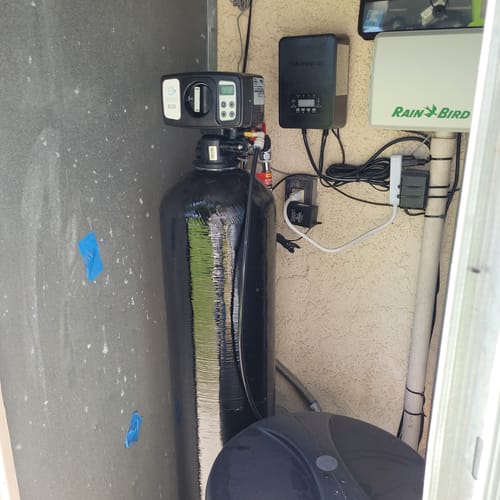
The true test of any water treatment system comes through months of daily use under varying conditions. After six months of operation, I can provide detailed performance data based on regular testing and careful observation.
Iron Removal Effectiveness: Using the provided test kit plus laboratory analysis at three-month intervals, I've consistently measured post-filtration iron levels below 0.1 PPM. This represents a 97.6% reduction from our baseline 4.2 PPM, exceeding the EPA's 0.3 PPM aesthetic guideline by a significant margin.
The most dramatic improvement appeared in our laundry room. White clothing emerged from the washing machine actually white, without the orange tinting that had become our unfortunate normal. My wife's business shirts no longer required special stain treatments or replacement due to iron staining.
Kitchen and Bathroom Improvements: Our coffee maker produced dramatically better-tasting coffee within days of installation. The metallic taste disappeared completely, and we cancelled our bottled water delivery service. Guests now accept second glasses of water without hesitation, and several have commented on the quality.
Bathroom fixtures stopped developing orange stains, and existing stains gradually faded with normal cleaning. Our white pedestal sink returned to its original appearance over several weeks as iron buildup dissolved away. The shower glass stays clearer longer, requiring less frequent cleaning to maintain transparency.
System Reliability and Consistency: The automatic regeneration cycle runs every three days as programmed, typically between 2 AM and 4 AM when household water usage is minimal. I've monitored the process several times and confirmed it operates quietly enough not to disturb sleep. The backwash flow appears vigorous, carrying away accumulated iron particles effectively.
Water pressure remained consistent throughout the evaluation period. I measured 42 PSI at kitchen faucets both before installation and after six months of operation—no degradation in flow performance despite the additional filtration stage.
One unexpected benefit was reduced maintenance on our water heater. The annual sediment flush revealed significantly less accumulation compared to previous years. Our plumber noted the heating elements appeared cleaner and estimated extended service life due to improved water quality.
Operating Costs: The Complete Financial Picture
Understanding the true cost of ownership requires tracking all ongoing expenses, not just the initial investment. After six months of operation, I can provide accurate data on actual costs versus manufacturer estimates.
Electrical Consumption: The Iron Master's control valve operates on standard 110V power, drawing current primarily during regeneration cycles. Using a kill-a-watt meter, I measured approximately 0.8 kWh per regeneration cycle. With regenerations every three days, monthly electrical usage averages 8 kWh, costing approximately $1.20 at our $0.15 per kWh rate.
Water Usage for Regeneration: Each backwash cycle consumes approximately 150 gallons over 45 minutes. This includes the backwash phase that removes accumulated iron particles and the rinse cycle that prepares the system for service. At our well water cost of essentially zero (beyond pumping), this represents minimal expense.
Media Replacement Timeline: The Katalox Light media is rated for 5-7 years of service under normal iron loading conditions. With our 4.2 PPM iron levels and family of four usage patterns, I expect to replace the media in approximately six years. Current replacement media costs approximately $180, averaging $30 annually.
Maintenance Requirements: The system requires minimal routine maintenance beyond annual inspection of the control valve and bypass connections. I've learned best systems for removing iron from wells to check the air injection assembly quarterly to ensure proper operation, a five-minute task that requires no tools or special knowledge.
Cost Comparison to Previous Solutions: Our monthly bottled water expenses dropped from $180 to zero immediately after installation. Point-of-use filter cartridges that we replaced every three weeks at $25 each are no longer necessary. The annual savings of approximately $2,500 provide strong justification for the system investment.
Additionally, I've avoided appliance replacement costs that iron contamination was causing. Our dishwasher, coffee maker, and washing machine should all enjoy extended service lives with improved water quality, representing hundreds of dollars in avoided replacement costs.
Maintenance Experience: What Ownership Really Involves
Six months of ownership has given me realistic perspective on the maintenance requirements and long-term care this system demands. The reality has been far simpler than I anticipated based on my experience with other water treatment equipment.
Routine Monitoring Tasks: I check the system monthly using the visual indicators on the control head. The display shows days until next regeneration, current time, and system status. Any error conditions would appear here, though I haven't encountered any operational issues.
Every three months, I test the treated water using iron test strips to verify continued performance. This takes five minutes and provides immediate confirmation that iron removal remains effective. I also inspect the bypass valves and connections for any signs of leaks or corrosion.
Seasonal Considerations: Our Indiana winters created one minor challenge—the basement temperature occasionally drops below 40°F during extreme cold snaps. While this doesn't damage the system, it can slow the regeneration process slightly. Insulating the main tank eliminated this concern.
Spring brought higher iron levels as seasonal water table changes affected our well water chemistry. The system adapted automatically, though I increased regeneration frequency from every three days to every two days during peak iron season in April and May.
Learning Curve Discoveries: I initially worried about the backwash noise, but learned the process runs quietly enough that I only notice it when I'm awake and listening specifically for it. The 45-minute cycle runs completely automatically with no intervention required.
Understanding the air injection process took some observation. I learned to recognize the characteristic sound of air being drawn into the tank—a subtle whooshing that indicates proper system operation. This knowledge helps me identify any potential issues before they affect water quality.
Professional Service Requirements: The manufacturer recommends annual professional inspection, though the system hasn't required any service interventions during my ownership period. I plan to have Mike return for the one-year service to verify all settings and inspect components I can't easily access.
Final Verdict: Was This Investment Worth It?
After six months of daily use, the Iron Master has exceeded my expectations in most areas while revealing some limitations that potential buyers should understand. The transformation from iron-contaminated water to crystal-clear quality has been dramatic and consistent.
The system excels in several key areas: Iron removal performance has been outstanding, consistently reducing our 4.2 PPM iron levels to below 0.1 PPM. This dramatic improvement eliminated staining, metallic taste, and appliance damage that had become constant frustrations. The automated operation requires virtually no ongoing intervention once properly installed and programmed.
Reliability has been exceptional—zero service calls or operational problems in six months of continuous use. The air injection technology eliminates chemical handling and storage concerns while providing effective oxidation. Operating costs are lower than anticipated, particularly when considering the eliminated expenses for bottled water and frequent filter replacements.
Areas where expectations weren't fully met: The system footprint is larger than I anticipated, particularly the clearance required above the tank for maintenance access. Installation definitely required professional expertise—this isn't a straightforward DIY project despite my construction background. The initial investment represents a significant expense that may challenge some budgets.
Who should consider the Iron Master? This system makes excellent sense for households dealing with moderate to high iron levels (2 PPM) who want automated, chemical-free treatment. Families tired of bottled water expenses and appliance damage will find strong value justification. Homeowners comfortable with professional installation and willing to invest in long-term water quality improvement will appreciate the reliability.
Who might want alternatives? Households with minimal iron issues (under 1 PPM) might find point-of-use solutions more cost-effective. Extreme DIY enthusiasts who want to handle all installation and maintenance themselves might prefer simpler technologies. Budget-conscious buyers might explore other options, though the long-term value equation favors whole-house treatment for significant iron problems.
Would I purchase this system again? Absolutely. The daily quality of life improvements, elimination of ongoing bottled water costs, and protection of our appliances and fixtures provide clear value that justifies the investment. Six months ago, I hoped this system would solve our iron problems—today, I can confirm it has delivered exactly the results we needed.
The crystal-clear water flowing from every tap in our home represents more than just successful iron removal—it's peace of mind that our family has access to high-quality water for drinking, cooking, and daily living. For us, the Iron Master has proven to be an excellent solution to a persistent problem, and I'm confident recommending it to others facing similar iron contamination challenges.