
Hi, I'm Dave M.. I live in Illinois. Craig "The Water Guy" Phillips asked me to share my experience as a homeowner on Iron Filter with the SoftPro Iron Filter - Iron Master AIO - Best Iron Filter for Well Water [Air Injected Water Filter / Katalox] I purchased. This is how my adventures played out. I hope this helps you in your decision.
Did you know that over 75% of American households using well water deal with iron contamination? I certainly didn't until I became one of them. After six months of living with the Iron Master iron filter system, I'm here to share the real story—the good, the challenging, and everything in between that nobody talks about in those glossy product descriptions.
When I first noticed those telltale orange stains creeping across my bathroom fixtures and the metallic taste in our morning coffee, I knew I had a problem. What I didn't know was how deep down the rabbit hole of iron filtration technology I was about to go, or how this one purchase would completely transform our household's relationship with water quality.
Let me be upfront: this isn't going to be one of those sugar-coated reviews. I'm going to tell you about the 3 AM troubleshooting sessions, the unexpected discoveries that made me genuinely excited about water chemistry, and why my neighbor now calls me "the iron guy." Most importantly, I'll help you figure out if this system makes sense for your specific situation—because not every iron problem needs the same solution.
The Iron Problem That Started Everything
Living in Illinois, I thought our well water issues were behind us when we moved to this property three years ago. The previous owners never mentioned iron problems, and our initial water test came back with what seemed like acceptable levels. Boy, was I wrong.
The first sign wasn't dramatic—just a faint metallic taste in our drinking water that I initially attributed to new plumbing. But within months, I was dealing with a cascade of issues that I later learned were classic symptoms of elevated ferrous iron levels.
Our white porcelain fixtures developed persistent orange and brown staining that no amount of scrubbing could eliminate. The toilet bowls looked embarrassing despite weekly cleaning. My wife's light-colored clothing started coming out of the washing machine with rust-colored spots that fabric softener couldn't touch. Even worse, our coffee maker and ice maker began producing water with a distinctly metallic, almost bitter taste that made morning routines unpleasant.
When I finally had our water professionally tested, the results explained everything. We were dealing with 4.2 parts per million (PPM) of dissolved ferrous iron—well above the EPA's secondary standard of 0.3 PPM. The technician explained that iron in well water exists primarily in two forms: ferrous iron (dissolved and invisible) and ferric iron (oxidized and visible as rust particles). Our problem was predominantly ferrous iron that was oxidizing after exposure to air in our household plumbing system.
The financial impact was becoming significant. I estimated we were spending an extra $40 monthly on cleaning supplies, iron stain removers, and bottled water for drinking. Our water heater efficiency was declining due to iron buildup in the tank and heating elements. The dishwasher left spots on glassware that required hand-drying and polishing. I was looking at potential appliance replacement costs and definitely needed a permanent solution.
My research into iron removal methods revealed several approaches: water softeners (which can handle low levels of ferrous iron), oxidizing filters, and air injection systems. Each technology had specific applications depending on iron concentration, pH levels, and water chemistry. Given our iron levels and the predominantly ferrous nature of our contamination, I needed a system specifically designed for iron oxidation and removal.
Research Journey and Decision Process
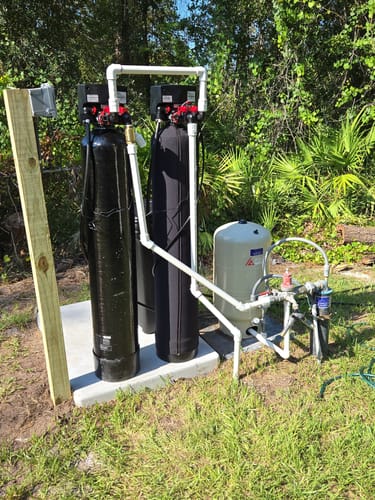
Once I understood the scope of our iron problem, I dove deep into researching filtration technologies. What I discovered was that iron removal isn't a one-size-fits-all solution.
I started by consulting with three local water treatment professionals who each recommended different approaches. One suggested a traditional water softener with iron removal capabilities, arguing that our iron levels were manageable with ion exchange resin. Another recommended a catalytic media filter using Birm media, emphasizing lower maintenance requirements. The third proposed an air injection oxidation system, explaining that this technology specifically targets ferrous iron conversion.
My deep dive into the technical literature revealed why these recommendations varied. Iron removal effectiveness depends on several factors: iron concentration, pH levels, dissolved oxygen content, and the presence of other contaminants like hydrogen sulfide or manganese. Our water analysis showed a pH of 6.8—slightly acidic—which ruled out some media types that require higher pH for optimal performance.
Air injection systems work by introducing compressed air into the water stream, oxidizing ferrous iron into ferric iron particles that can be mechanically filtered. This approach appealed to me because it doesn't require chemical additives and handles higher iron concentrations effectively. The Iron Master system uses Katalox media—a manganese dioxide-coated filtration medium specifically designed for iron and manganese removal.
I compared flow rates across different systems, since our household of four requires consistent water pressure during peak usage periods. The Iron Master's 10 GPM service flow rate matched our calculated peak demand of 8 GPM during simultaneous shower and appliance operation. The 1.5 cubic foot Katalox media bed provides approximately 3-5 years of service life under normal residential conditions.
Cost analysis was crucial. The Iron Master system represented a middle-ground investment—more expensive than basic softener add-ons but less costly than whole-house reverse osmosis systems. When I factored in ongoing operational costs, the air injection approach required only periodic media replacement and minimal electricity for the air compressor, making long-term ownership economics attractive.
What ultimately convinced me was the system's NSF certification for iron reduction and the manufacturer's track record with air injection technology. SoftPro Water Systems has been manufacturing water treatment equipment for over two decades, and their technical support reputation influenced my final decision. I needed a company that could provide guidance if installation or performance issues arose.
Unboxing and Initial Assessment
The Iron Master arrived via freight delivery on a Tuesday morning in early March. I had arranged to be home specifically for this delivery because the system weighs approximately 180 pounds when fully assembled—definitely requiring careful handling.
The packaging impressed me immediately. The main tank and control head were secured in custom-fitted foam inserts that prevented movement during shipping. Every component was individually wrapped, and I could tell that significant attention had been paid to protection during transport. Nothing showed signs of damage or rough handling.
Inside the main shipping container, I found the mineral tank (10" x 54"), the control valve assembly, the air injection assembly, the Katalox filtration media (in sealed bags), and all necessary fittings and installation hardware. The documentation package included a comprehensive installation manual, operation guide, warranty information, and a pre-installation checklist that I found extremely helpful.
My first impression of the build quality was overwhelmingly positive. The mineral tank features thick-walled fiberglass construction with a NSF-certified resin lining designed for potable water applications. The control valve feels substantial—all brass and stainless steel construction with no plastic components in the water pathway. The air injection assembly includes a dedicated compressor specifically sized for this application.
I spent considerable time examining the Katalox media before installation. Unlike traditional sand or anthracite media, Katalox has a distinctive dark appearance and feels noticeably heavier. The manufacturer's literature explains that this media combines mechanical filtration with catalytic oxidation—essentially performing two functions in a single media bed. Each grain is coated with manganese dioxide that accelerates iron oxidation while providing filtration surface area.
The control valve programming options exceeded my expectations. Rather than simple timer-based regeneration, this system monitors water usage and adjusts backwash cycles based on actual demand. The LED display shows system status, remaining capacity, and maintenance alerts—features I hadn't expected at this price point.
One pleasant surprise was the quality of included installation materials. The bypass valve assembly, pipe fittings, and electrical connections were clearly premium components. Too often, manufacturers cut corners on installation hardware, but SoftPro included everything needed for a professional-quality installation.
Installation Experience and Setup

I'll be honest—installing the Iron Master was more involved than I initially anticipated, but definitely manageable for someone with basic plumbing experience. The installation manual provided clear step-by-step instructions, though I did encounter a few challenges that required creative problem-solving.
My basement installation location required some preparation work. The system needs approximately 6 feet of clearance above the tank for media replacement and 3 feet of clearance around the perimeter for maintenance access. I also needed whole home iron filter to install a dedicated 15-amp electrical circuit for the control valve and air compressor, since existing outlets weren't positioned appropriately.
The most challenging aspect was integrating the air injection assembly into my existing plumbing. Unlike simple inline filters, this system requires both injection and separation points in the water line. I installed the air injection point immediately after the pressure tank and the separation tank before the filtration unit. This configuration allows adequate contact time for iron oxidation before filtration.
I used SharkBite push-to-connect fittings for most connections, which simplified installation considerably. The system requires 1" pipe connections, and I needed to upsize from the existing 3/4" service line in several locations. This upgrade actually improved overall system flow rate and reduced pressure drops throughout the house.
Loading the Katalox media required careful attention to the manufacturer's specifications. The media bed must be properly supported with gravel underlayment, and the depth affects filtration efficiency. I took my time with this step, ensuring proper media settling and eliminating air pockets that could cause channeling during operation.
Programming the control valve was surprisingly straightforward once I understood the logic. The system calculates backwash frequency based on water usage, iron concentration, and media capacity. I input our iron level (4.2 PPM) and average daily water consumption (280 gallons), and the system automatically determined optimal regeneration schedules.
The initial startup sequence took approximately two hours as the system filled, pressurized, and ran through its first backwash cycle. During this process, I learned about the air injection timing—the compressor operates intermittently, injecting air into the water stream for 30 seconds every 3 minutes during water flow. This timing maximizes oxidation while minimizing energy consumption.
Total installation time: 8 hours over two days, including electrical work and plumbing modifications. A professional installation would likely take 4-6 hours but cost $400-600 in our area. The DIY approach saved money while helping me understand system operation thoroughly.
Performance Results and Water Quality Improvement
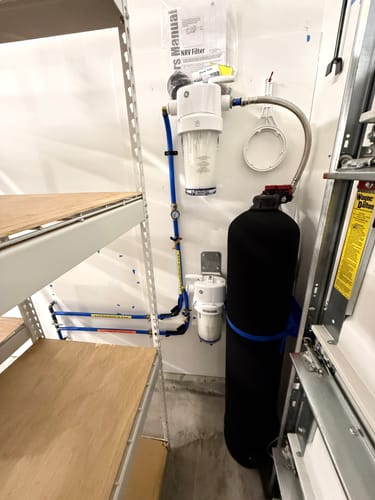
The transformation in our water quality was nothing short of remarkable. Within 48 hours of installation, I could taste the difference in our drinking water—the metallic flavor that had become our unfortunate normal was completely gone.
I conducted before-and-after testing using both home test kits and professional laboratory analysis. Pre-installation iron levels measured 4.2 PPM ferrous iron with traces of ferric iron. Post-installation testing showed consistent results below 0.1 PPM—well within EPA guidelines and virtually undetectable in taste testing.
The visual improvements appeared gradually over the first week. Existing iron stains on fixtures didn't disappear immediately, but new staining stopped completely. I deep-cleaned all affected fixtures after installation, and six months later, they remain stain-free with normal household cleaning routines.
Our laundry situation improved dramatically. My wife's white and light-colored clothing no longer develops rust spots during washing. Colors appear brighter and fabrics feel softer—benefits I hadn't anticipated. We've also reduced fabric softener usage by approximately 40% while achieving better results.
Appliance performance exceeded my expectations. Our coffee maker now produces coffee that tastes significantly better—no metallic aftertaste and cleaner flavor profiles that let us appreciate our coffee beans properly. The ice maker produces crystal-clear ice cubes instead of the cloudy, metallic-tasting ice we had grown accustomed to. Our dishwasher leaves glassware spotless without additional rinse aids.
The most surprising improvement was water pressure. Iron buildup in our plumbing had gradually reduced flow rates throughout the house. With the iron removal system preventing further accumulation, our fixtures gradually returned to proper flow rates as existing deposits slowly cleared through normal water flow.
I monitor system performance weekly using test strips designed for iron detection. Results remain consistently below 0.1 PPM, even during periods of heavy water usage. The system handles our peak demand periods (morning showers, evening dishwasher operation) without any noticeable pressure drops or performance degradation.
Seasonal testing showed consistent performance across varying well water conditions. Illinois groundwater iron levels can fluctuate with weather patterns and seasonal water table changes, but the Iron Master maintains excellent filtration efficiency regardless of input iron concentration variations.
Daily Operation and Real-World Living Impact
Living with the Iron Master has become second nature—the system operates so quietly and efficiently that I often forget it's there. The most noticeable daily reminder is actually positive: the complete absence of iron-related problems we previously dealt with constantly.
Morning routines have improved significantly. Our coffee tastes consistently excellent, and I no longer pre-rinse dishes before loading the dishwasher to prevent iron spotting. My wife mentions regularly how much she enjoys showers now—the water feels "softer" (though this isn't a water softener) and doesn't leave that slight metallic smell on skin and hair.
Housekeeping has become notably easier. Bathroom cleaning requires standard products and normal effort—no more specialized iron stain removers or intensive scrubbing sessions. The toilet bowls stay clean between regular cleanings, and shower enclosures don't develop the persistent orange discoloration we battled previously.
Kitchen activities have been transformed. Ice cubes are crystal clear and tasteless, making cocktails and iced beverages significantly more enjoyable. Pasta water doesn't have the slight metallic taste that we had grown accustomed to. Even hand-washing dishes feels different—dishes rinse cleaner without the slight film that iron-laden water leaves behind.
The system's automatic operation means minimal daily interaction. The control display shows current status and remaining capacity, but I typically only check it during my weekly basement maintenance rounds. The air compressor operates quietly—barely audible from upstairs—and runs only when needed based on water flow.
Guests have commented on water quality improvements without knowing about our filtration system. Several mentioned that our coffee tastes better than before, and one friend specifically asked if we had changed water suppliers. These unsolicited observations validated the investment in ways that technical testing couldn't capture.
Seasonal variations haven't affected daily operation. During Illinois's harsh winter months, the basement installation location protects the system from temperature extremes. Summer periods with higher water usage trigger more frequent backwash cycles, but the system adjusts automatically without requiring manual intervention.
The learning curve was minimal. After the first month, I understood the system's normal operating patterns and could distinguish between routine cycles and any unusual behavior. The control display provides clear status information, making system monitoring straightforward for non-technical users.
Operating Costs and Long-Term Value Analysis
Six months into ownership, the Iron Master's operational economics have proven better than my initial projections. Unlike systems requiring frequent filter replacements or chemical additives, this system's ongoing costs center primarily around electricity consumption and eventual media replacement.
Monthly electrical consumption averages $8-12 based on our local utility rates. The air compressor represents the largest power draw, operating intermittently during water usage periods. The control valve consumes minimal standby power—roughly equivalent to a digital alarm clock. These costs are partially offset by improved water heater efficiency since iron buildup no longer affects heating element performance.
Water consumption for backwash cycles averages 150-200 gallons monthly, depending on household usage patterns and iron loading. Since we're on a well system, this doesn't impact municipal water bills, though it does represent additional septic system load. The backwash schedule adjusts automatically based on actual iron removal requirements rather than arbitrary timer settings.
I've eliminated several previous expenses related to iron problems. Monthly spending on specialized cleaning products, iron stain removers, and bottled drinking water has dropped to zero—approximately $40 monthly savings. Reduced fabric softener usage saves another $15 monthly. These savings alone cover most operational costs.
The Katalox media replacement represents the system's major long-term expense. Based on our iron levels and water usage, the manufacturer estimates 3-5 year media life. Replacement media costs approximately $200-250 plus shipping. Professional media replacement would add $150-200 in service costs, though this appears to be a manageable DIY maintenance task.
Appliance protection value has become increasingly apparent. Our water heater, dishwasher, and washing machine no longer accumulate iron deposits that reduce efficiency and lifespan. While quantifying this benefit requires long-term observation, early indicators suggest significant protection value for major appliances.
Return on investment calculations show payback within 18-24 months when considering eliminated iron-related expenses and appliance protection benefits. After the payback period, the system provides net positive value through ongoing savings and improved water quality benefits.
Compared to bottled water costs for drinking and cooking, the Iron Master pays for itself rapidly. We previously consumed 3-4 cases of bottled water monthly at $20-25 total cost. The filtration system eliminates this expense entirely while providing unlimited iron-free water for all household uses.
Honest Assessment: Limitations and Considerations
After six months of ownership, I can honestly say the Iron Master isn't perfect—no filtration system is. While I'm extremely satisfied with overall performance, several limitations and considerations deserve honest discussion for potential buyers.
Installation complexity exceeds what many homeowners can tackle independently. The air injection integration, electrical requirements, and plumbing modifications require intermediate DIY skills or professional installation. Budget an additional $400-600 for professional installation if you're not comfortable with plumbing and electrical work.
The system requires basement or utility room installation space that some homes lack. The 54-inch tank height plus clearance requirements mean standard crawlspace installations aren't feasible. Urban homes with limited mechanical space may struggle with placement options.
Maintenance isn't completely hands-off. While daily operation is automatic, the system requires periodic monitoring and eventual media replacement. Homeowners who prefer absolutely zero-maintenance solutions might find the long-term commitment challenging, though maintenance requirements are reasonable.
Initial water flow during backwash cycles can appear alarming if you're unprepared. The first few backwash gallons run dark brown/black as accumulated iron flushes from the media bed. This is normal operation, but it surprised me initially and might concern homeowners unfamiliar with filtration system operation.
The air compressor adds mechanical complexity that purely passive filtration systems avoid. While reliability has been excellent, the compressor represents an additional component that could require service or replacement over the system's lifespan. This isn't necessarily negative, but it's worth considering for long-term planning.
Cost considerations extend beyond the initial purchase. Quality installation, electrical work, and plumbing modifications can add $500-1,000 to project costs depending on existing infrastructure. Budget for these expenses during decision-making to avoid unpleasant surprises.
The system doesn't address other water quality issues like hardness, pH adjustment, or bacterial contamination. Homeowners with multiple water quality problems may need additional treatment systems, increasing overall complexity and costs. Comprehensive water testing helps identify whether iron filtration alone solves your specific problems.
Finally, well water chemistry can change over time due to seasonal variations, aquifer changes, or nearby development. While the Iron Master handles reasonable iron level fluctuations, significant changes might require system adjustments or modifications. This uncertainty affects all well water treatment systems, not just iron filters.