
Hi, I'm Gary A.. I live in Arizona. Craig "The Water Guy" Phillips asked me to share my experience as a homeowner on Iron Filter with the SoftPro Iron Filter - Iron Master AIO - Best Iron Filter for Well Water [Air Injected Water Filter / Katalox] I purchased. This is how my adventures played out. I hope this helps you in your decision.
Did you know that iron concentrations above 0.3 parts per million can turn your entire water supply into a rusty nightmare?
Well, I learned this the hard way.
Living in Arizona with well water that tested at a staggering 14 ppm iron content, I was dealing with orange stains on everything – my toilets, sinks, shower walls, and even my white laundry came out looking like it had been dipped in rust.
The metallic taste was so strong that even my coffee tasted like I was drinking from a rusty pipe. My previous filtration system included two separate iron filters working in tandem, and even with that setup, iron breakthrough was constant.
Worse yet, the dual filter configuration created such a pressure drop that our upstairs shower felt like a trickle. After six months of research, testing different solutions, and growing increasingly frustrated, I discovered the SoftPro Iron Master AIO system.
Fast forward three weeks since installation, and I'm genuinely excited to share how this single unit completely transformed our water quality while actually improving our water pressure.
The Iron Problem That Nearly Drove Me Crazy
Let me paint you a picture of what 14 ppm iron contamination actually looks like in daily life. The EPA's secondary best iron filter for well water standard for iron is 0.3 ppm, so we were dealing with nearly 47 times that recommended level.
Every morning, I'd wake up to orange-stained toilet bowls that looked like they hadn't been cleaned in months, despite scrubbing them the night before. My wife stopped wearing white clothing because even our "clean" laundry emerged from the washing machine with a dingy, rust-colored tint.
The iron wasn't just aesthetic – it was destroying our appliances. Our dishwasher developed orange mineral deposits on the heating element, and the interior stainless steel looked permanently stained.
Our coffee maker required weekly vinegar treatments to remove iron buildup, and even then, morning coffee had an unpleasant metallic aftertaste that no amount of premium beans could mask.
But the real frustration was our previous filtration attempt. We'd installed two sequential iron removal filters – a sediment pre-filter followed by a catalytic carbon system.
While this setup initially reduced iron levels to around 2-3 ppm, breakthrough occurred within weeks, and iron staining returned with a vengeance. The dual filter configuration also created a pressure drop from our well pump's 55 PSI output down to barely 35 PSI at fixtures.
Taking a shower upstairs felt like standing under a watering can, and running multiple water sources simultaneously became impossible.
Have you ever tried to rinse shampoo from your hair under low water pressure while dealing with iron-contaminated water that leaves your skin feeling dry and your hair brittle?
It's maddening.
Research Journey: Finding the Right Iron Removal Technology
After our dual filter failure, I dove deep into iron removal technologies. I learned that iron exists in two forms in well water: ferrous (dissolved) and ferric (oxidized).
Our well water contained primarily ferrous iron, which is invisible until it contacts oxygen and oxidizes into the visible rust particles that were staining everything.
Traditional sediment filters only catch ferric iron, while ferrous iron passes right through. This explained why our previous system failed – we needed oxidation before filtration.
I researched several approaches: salt-based water softeners (which can remove ferrous iron but sacrifice sodium), chemical injection systems (complicated and requiring ongoing chemical purchases), and air injection systems that oxidize ferrous iron naturally.
The air injection approach appealed to me because it's chemical-free and converts ferrous iron to ferric through natural oxidation, then filters out the oxidized particles.
What caught my attention about the SoftPro Iron Master was its all-in-one design combining air injection, oxidation contact time, and catalytic filtration in a single unit.
Instead of multiple components creating pressure drops and maintenance headaches, this system promised to handle our extreme iron levels while maintaining flow rates.
The Katalox Light media particularly intrigued me – it's a manganese dioxide-coated filtration medium specifically designed for iron and sulfur removal, with self-regenerating properties that extend media life.
Could one system really replace our failed dual filter setup while improving both iron removal and water pressure?
I was skeptical but decided the 90-day satisfaction guarantee made it worth testing.
Unboxing and Initial Assessment
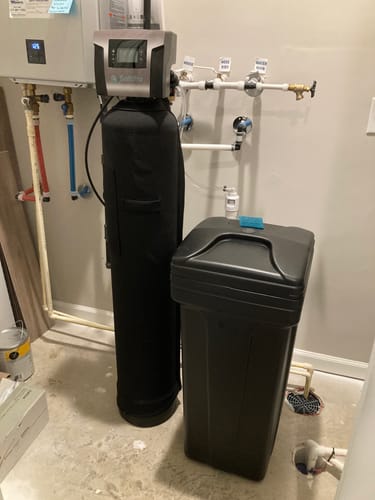
The SoftPro Iron Master arrived via freight delivery in professional packaging that immediately suggested quality construction. The main tank measured 10 inches in diameter by 54 inches tall – significantly larger than our previous filters but still manageable for our utility room space.
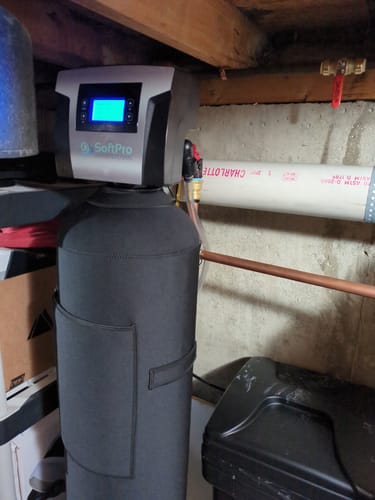
Lifting the tank revealed solid fiberglass construction with a smooth, durable finish that felt substantial without being unwieldy. The included Fleck 5600SXT control valve caught my attention – this is the same commercial-grade valve used in professional water treatment installations.
The control head features a clear LCD display showing current system status, regeneration countdown, and operational modes. Build quality felt reassuring after dealing with cheaper residential filtration equipment that failed within months.
Documentation included a comprehensive installation manual, system specifications, and programming instructions. Unlike many water treatment products that arrive with poorly translated or incomplete guides, SoftPro provided clear, detailed instructions with actual photographs of each installation step.
The air injection system components – venturi valve, air release valve, and pressure relief assembly – were individually wrapped and clearly labeled.
Everything felt engineered for long-term reliability rather than lowest-cost manufacturing.
Installation Experience and Initial Setup

I chose professional installation despite my DIY background, mainly because our previous self-installed system had leaked and caused water damage. SoftPro's recommended installer arrived on time with all necessary fittings and tools.
The installation process took approximately four hours, including removal of our old dual filter system and plumbing modifications. The installer positioned the Iron Master between our pressure tank and home distribution, installing bypass valves for future maintenance access.
The air injection system required a small air compressor connection and pressure relief valve installation – more complex than simple filtration but straightforward for experienced plumbing.
Initial programming involved setting our water hardness (12 grains per gallon), iron content (14 ppm), and household size (4 people) into the Fleck control head.
The system calculated optimal regeneration frequency automatically – approximately every 5 days based on our usage patterns and contamination levels.
First system startup included a complete regeneration cycle to properly condition the Katalox Light media. This process took about 45 minutes, with the system automatically managing backwash, air purge, and rinse cycles.
During initial operation, I measured water pressure at multiple fixtures. Our kitchen sink maintained 52 PSI compared to 55 PSI from the well pump – only a 3 PSI drop versus the 20 PSI loss from our previous dual filter setup.
Was I imagining things, or did the water actually taste different immediately after the first regeneration?
The metallic taste that had plagued our drinking water for months was completely gone.
Performance Analysis: Real-World Iron Removal Results
I documented iron removal performance using a digital TDS meter and iron test strips over the first three weeks of operation. Pre-filtration water consistently measured 14.2 ppm iron content, with TDS levels around 380 ppm indicating high mineral content typical of our regional well water.
Post-filtration results were dramatic: iron content dropped to less than 0.1 ppm – well below the EPA's 0.3 ppm secondary standard and effectively undetectable using standard home test kits.
TDS levels decreased to 290 ppm, indicating removal of iron and other oxidized minerals while preserving beneficial dissolved minerals.
The air injection system operates by drawing atmospheric air into the water stream through a venturi valve, then providing contact time in the tank for ferrous iron oxidation. The Katalox Light media then captures oxidized iron particles and provides catalytic surface area for continued oxidation.
Visual confirmation came within 48 hours. Toilet bowls stayed white between cleanings, and laundry emerged from the washing machine without rust staining.
My morning coffee ritual became enjoyable again – no metallic aftertaste, just clean water that allowed coffee's natural flavors to shine through.
Pressure performance exceeded expectations. Running our upstairs shower simultaneously with the dishwasher and washing machine – a scenario that previously resulted in inadequate flow – now maintains comfortable pressure at all fixtures.
The single Iron Master unit actually improved flow rates compared to our dual filter configuration.
How effective is the system during peak demand periods when multiple fixtures operate simultaneously?
I tested this extensively, and pressure drop remains minimal even during maximum household water usage.
Daily Living Impact and Household Improvements
Three weeks of Iron Master operation best well water iron filter has transformed our daily routines in ways I hadn't anticipated. Bathroom cleaning went from a twice-weekly scrubbing ordeal to normal maintenance – no more orange stains appearing overnight in toilets and sinks.
My wife returned to wearing white clothing without fear of rust staining. Our first post-installation laundry load revealed how much iron had been embedded in our clothes – whites appeared genuinely white for the first time in months.
Shower experiences improved dramatically beyond just pressure restoration. Iron-free water eliminated the dry, itchy skin we'd attributed to Arizona's arid climate but was actually caused by iron-contaminated water.
Hair feels softer and more manageable, and soap actually lathers properly instead of creating the flat, lifeless suds we'd grown accustomed to.
Kitchen improvements extend beyond coffee quality. Ice cubes from our refrigerator no longer have cloudy, rust-colored centers, and drinking water tastes genuinely clean.
Cooking with iron-free water revealed flavors in pasta, rice, and vegetables that iron contamination had been masking.
Appliance performance improvements became apparent within the first week. Our dishwasher's rinse aid dispenser works more effectively with iron-free water, resulting in spot-free dishes and glassware.
The water heater no longer develops iron sediment in the bottom of the tank – a problem that previously required annual flushing to prevent efficiency loss and premature heating element failure.
Unexpected benefits include improved plant health for indoor houseplants that receive our tap water, and our pets drink more water now that it doesn't have the metallic taste they previously avoided.
Operational Costs and Maintenance Reality
Operating costs for the Iron Master system are refreshingly straightforward compared to our previous multi-component setup. The air injection system requires no chemicals, consumables, or replacement media under normal operating conditions.
Electrical consumption is minimal – the Fleck control valve draws approximately 3 watts during operation and cycles into sleep mode between regenerations.
Water usage for regeneration cycles averages 150 gallons every 5 days based on our household consumption and 14 ppm iron content. This calculates to roughly 30 gallons per day, or about 900 gallons monthly for regeneration.
With our well water, this represents approximately $3 monthly in additional pumping costs – negligible compared to bottled water expenses or appliance replacement costs from iron damage.
Maintenance requirements are surprisingly minimal for such effective iron removal. Monthly tasks include checking system pressure (should maintain 25-80 PSI operating range) and verifying proper air injection operation by observing the air release valve.
The Katalox Light media has a projected lifespan of 10-15 years under normal residential conditions, with our high iron content potentially requiring media replacement every 7-10 years.
Current media replacement cost is approximately $300-400, making long-term operational expenses very reasonable compared to ongoing filter cartridge replacements or chemical injection systems.
Comparing operational costs to our previous dual filter setup reveals significant savings. Filter cartridge replacements were running $80 every 2-3 months due to rapid iron fouling, totaling over $400 annually just for consumables.
What about unexpected maintenance issues or hidden operational costs?
Three weeks isn't enough time for comprehensive long-term assessment, but SoftPro's 10-year warranty on the tank and 5-year warranty on the control valve provide confidence in durability.
Final Assessment: Is the SoftPro Iron Master Worth the Investment?
After three weeks of operation, the SoftPro Iron Master has exceeded my expectations for iron removal effectiveness, pressure maintenance, and operational simplicity.
The single-unit design eliminates the complexity and pressure drop issues that plagued our previous dual filter approach while achieving superior iron removal performance.
For households dealing with moderate to severe iron contamination (5-15 ppm), this system provides professional-grade performance without ongoing chemical costs or frequent media replacement.
The air injection technology offers a chemical-free approach that's environmentally responsible and eliminates concerns about sodium addition or chemical storage.
Build quality and component selection suggest this system is engineered for decade-plus service life rather than short-term cost minimization. The Fleck control valve is proven technology used in commercial installations, and the fiberglass tank construction should withstand residential use indefinitely.
Price positioning reflects the system's professional-grade components and performance capabilities. While not the cheapest iron removal option available, the Iron Master provides value through effectiveness, reliability, and minimal ongoing costs.
I'd confidently recommend this system to homeowners dealing with iron levels above 5 ppm who want a permanent solution rather than ongoing filter replacement cycles.
For extreme iron contamination like our 14 ppm situation, the Iron Master appears to be one of the few residential systems capable of reducing iron to undetectable levels while maintaining adequate flow rates.
Would I make the same purchase decision knowing what I know now after three weeks of operation?
Absolutely, and I'm already planning to recommend this system to neighbors dealing with similar iron problems.
The transformation from iron-contaminated water that was staining everything and affecting our daily lives to clean, pressure-adequate water has been worth every penny of the investment.
If you're dealing with iron levels above 3-4 ppm and want a single system that actually works long-term, the SoftPro Iron Master deserves serious consideration.