
Hi, I'm Scott C.. I live in Georgia.
Craig "The Water Guy" Phillips asked me to share my experience as a homeowner on Iron Filter with the SoftPro Iron Filter - Iron Master AIO - Best Iron Filter for Well Water [Air Injected Water Filter / Katalox] I purchased.
This is how my adventures played out. I hope this helps you in your decision.
The Iron Problem That Nearly Drove Me Crazy
Living in rural Georgia with well water seemed like a dream until I started noticing the telltale signs of iron contamination. Have you ever watched your white laundry turn orange after a single wash cycle?
That was my reality for months before I realized what was happening.
The problem started subtly. At first, I thought the occasional reddish tint in my toilet bowls was just mineral staining that needed better cleaning. But then the issues escalated rapidly. My morning coffee tasted metallic, leaving an unpleasant aftertaste that no amount of sugar could mask. The shower fixtures developed rust-colored stains that seemed to appear overnight, and my wife complained that her blonde hair was picking up an orange tint after washing.
Did you know that iron concentrations above 0.3 parts per million can cause significant staining and taste issues?
I discovered this during my research phase, and when I tested our well water, it came back at 4.2 PPM – more than ten times the recommended level.
The breaking point came when I noticed our brand-new stainless steel appliances were developing rust spots on the interior surfaces. Our dishwasher, which we'd purchased just six months earlier, had orange streaks running down the inside walls. The washing machine was leaving rust stains on clothing, and I calculated we'd already ruined about $300 worth of white linens and shirts.
Beyond the aesthetic problems, I was concerned about the health implications. While iron isn't necessarily harmful in small amounts, the metallic taste was affecting our drinking water quality, and I worried about what else might be lurking in our well water system.
Research Phase: Understanding Iron Filtration Technology
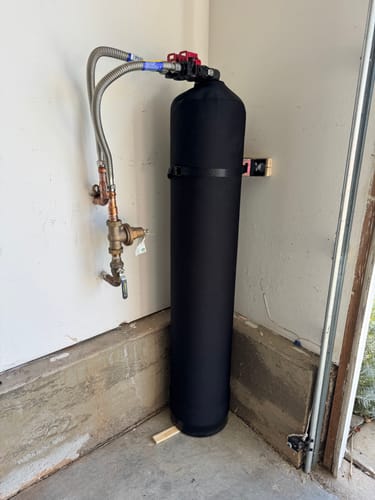
After realizing the scope of our iron problem, I dove deep into understanding the different approaches to iron removal. What I discovered was that not all iron filtration systems are created equal, and choosing the wrong technology could mean continued frustration and wasted money.
Iron exists in well water in two primary forms: ferrous iron (dissolved, clear water iron) and ferric iron (oxidized, visible rust particles). Our water contained mostly ferrous iron, which explains why it looked clear whole house water filter iron coming out of the tap but left stains after exposure to air. This invisible iron oxidizes when it contacts oxygen, creating the characteristic reddish-brown staining.
I researched several iron removal technologies during my three-week investigation period. Traditional sand filters only remove ferric iron, meaning they're ineffective against the dissolved iron we were dealing with. Chemical feed systems using chlorine or potassium permanganate seemed overly complex and required ongoing chemical purchases and maintenance.
Water softeners can remove small amounts of iron through ion exchange, but our 4.2 PPM level was far beyond what a standard softener could handle effectively. Plus, I learned that iron can foul the resin bed in softeners, leading to reduced efficiency and expensive resin replacement.
The technology that caught my attention was air injection oxidation combined with catalytic filtration media. This approach works by introducing oxygen into the water stream, converting dissolved ferrous iron into ferric iron, which can then be filtered out using specialized media. The process mimics what happens naturally when iron water contacts air, but it happens in a controlled environment before the water enters your home.
I spent considerable time understanding flow rates, backwash requirements, and sizing calculations. Our household of four with standard appliances required a system capable of handling peak flows of 15-20 gallons per minute without significant pressure drops. The sizing calculations also needed to account for the backwash water requirements, which would temporarily use our well water for system cleaning.
Why I Chose the SoftPro Iron Master
After comparing multiple manufacturers and technologies, several factors led me to select the SoftPro Iron Master system. The deciding factor wasn't just the technology, but the specific implementation and the company's reputation in the water treatment industry.
The Iron Master uses Katalox media, which is a catalytic filtration material that enhances the oxidation process beyond simple air injection. Unlike basic air injection systems that rely solely on oxygen contact time, the Katalox media actively promotes the conversion of ferrous to ferric iron while simultaneously filtering out the oxidized particles. This dual-action approach appealed to me because it seemed more thorough than single-stage systems.
The system's NSF certification provided confidence in its performance claims. NSF Standard 61 certification means the system components won't leach harmful substances into treated water, while NSF Standard 372 ensures lead-free construction. These certifications aren't required by law but indicate a manufacturer's commitment to quality and safety standards.
Capacity considerations were crucial in my decision. The Iron Master is rated to handle iron levels up to 15 PPM, providing significant headroom above our 4.2 PPM level. This margin meant the system wouldn't be operating at its maximum capacity, potentially extending media life and ensuring consistent performance even if our iron levels fluctuated seasonally.
The backwash efficiency impressed me during my research. The system uses a Fleck control valve, which is widely regarded as the gold standard in water treatment controls. The programmable backwash cycle can be set based on time, gallons processed, or manually initiated, providing flexibility to optimize performance based on actual usage patterns.
SoftPro's technical support reputation influenced my decision significantly. Water treatment systems occasionally require troubleshooting or optimization, and I wanted to ensure knowledgeable support would be available if needed. The company's focus specifically on water treatment (rather than being a general appliance manufacturer) suggested deeper expertise in this specialized field.
Unboxing and Initial Inspection

The Iron Master arrived on a freight truck about two weeks after ordering, which was faster than the projected three-week delivery time I'd been quoted. The packaging immediately impressed me – everything was wrapped in protective plastic and secured with custom-fitted foam inserts that prevented any shipping damage.
The main tank stood about 48 inches tall and 10 inches in diameter, smaller than I'd anticipated based on the specifications. The fiberglass construction felt solid without being excessively heavy, and the blue color matched the product photos accurately. The tank threads were clean and properly machined, suggesting good quality control in the manufacturing process.
The Fleck 2510SXT control head came separately packaged with protective caps on all connections. The digital display was clear and easy to read, with intuitive button layout that didn't require consulting the manual for basic navigation. The build quality felt substantial – no cheap plastic components or flimsy connections that might fail under pressure.
The air injection venturi assembly was precisely machined with smooth surfaces and tight tolerances. This component is critical for proper operation, as it creates the vacuum needed to draw air into the water stream. The quality of this part often distinguishes professional-grade systems from consumer-oriented units, and this one clearly fell into the professional category.
Included components were comprehensive: bypass valve assembly, installation fittings, drain line tubing, and detailed installation manual. The bypass valve was brass construction rather than plastic, another indicator of system quality that would ensure long-term reliability. Even the installation hardware was above average – stainless steel clamps and quality fittings that wouldn't corrode over time.
The documentation package included a well-organized manual with clear diagrams, warranty information, and maintenance schedules. The installation section was particularly helpful, with specific guidance for different plumbing configurations and troubleshooting tips for common installation challenges.
Installation Experience and Setup Process
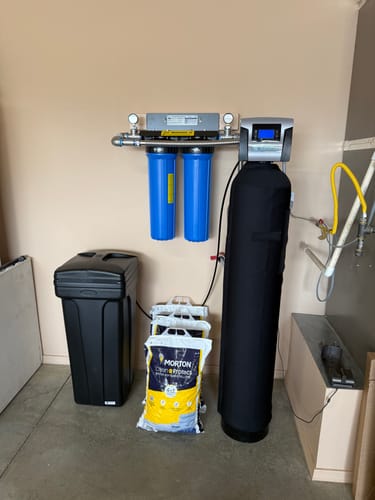
I decided to tackle the installation myself, having moderate plumbing experience and wanting to understand the system thoroughly. The installation took me about six hours spread across a weekend, which was longer than the estimated four hours, but I took my time to ensure everything was done correctly.
Pre-installation preparation involved identifying the optimal location in our utility room. The system needed to be positioned after the pressure tank but before the water softener, with adequate space for the control head and access for future maintenance. I also needed to verify electrical availability for the control valve and plan the drain line routing for backwash discharge.
The most challenging aspect was cutting into the main water line to install the bypass valve assembly. I shut off power to the well pump and drained the pressure tank before making the cuts. The bypass valve installation required careful measurement to ensure proper alignment and adequate space for future service access.
Connecting the air injection venturi required attention to flow direction and tight connections to prevent air leaks. The venturi creates the vacuum needed for air injection, so proper installation is critical for system performance. I used thread sealant on all connections and checked for leaks thoroughly before proceeding.
Programming the control head was straightforward using the provided setup guide. I configured it for a seven-day backwash cycle initially, planning to adjust based on actual performance. The programming interface was intuitive, allowing me to set backwash frequency, duration, and time of day for minimal water usage disruption.
The first system startup revealed a few minor air bubbles in the plumbing, which cleared after running water for about ten minutes. The backwash cycle performed automatically as programmed, discharging the expected rusty water during the rinse phase. This initial backwash removed manufacturing residues and prepared the Katalox media for service.
Pressure testing confirmed no significant flow restriction – I measured less than 2 PSI pressure drop across the system during peak demand periods. This minimal pressure loss meant the system wouldn't affect shower pressure or appliance performance, addressing one of my initial concerns about iron filtration systems.
Performance Results After 18 Months of Use
The transformation in our water quality was immediately noticeable, but the full impact became clear over several months of consistent use. Within 48 hours of installation, the metallic taste in our drinking water completely disappeared, and the coffee finally tasted like coffee again.
I conducted water tests at regular intervals to document the system's performance objectively. Pre-treatment iron levels consistently measured 4.2 PPM using a digital TDS meter and iron test strips. Post-treatment tests showed iron levels below 0.1 PPM – well under the 0.3 PPM threshold where staining and taste issues typically occur.
The most dramatic improvement appeared in our laundry results. White clothing and linens that had been gradually turning orange began returning to their original brightness after several wash cycles. New white items stayed white, without the progressive staining we'd experienced previously. My wife was particularly happy that her light-colored clothing no longer required special treatment or replacement due to iron staining.
Bathroom and kitchen fixtures stopped developing new rust stains within a week of system startup. Existing stains required some effort to remove, but new staining completely ceased. The toilet bowls remained white between cleanings, and shower fixtures maintained their original finish without constant scrubbing.
Our appliances showed marked improvement over the monitoring period. The dishwasher interior gradually returned to its original stainless steel appearance, with no new orange streaking after the first month. The washing machine drum stayed clean, and I noticed improved cleaning performance as iron particles were no longer redepositing on clothing during wash cycles.
Seasonal variations in iron levels tested the system's adaptability. During spring months, our iron levels increased to approximately 5.1 PPM due to groundwater changes, but the treated water quality remained consistently below 0.1 PPM. This performance margin demonstrated the system's capacity to handle fluctuating input conditions without compromising output quality.
Flow rate performance has remained excellent throughout 18 months of operation. Even during peak usage periods – simultaneous showers and appliance operation – water pressure remained adequate throughout the house. The system processes our typical 200 gallons per day usage without any noticeable impact on pressure or flow.
Operating Costs and Maintenance Reality
Understanding the true cost of ownership was important for budgeting, so I tracked all operational expenses carefully over 18 months. The reality of operating costs turned out to be lower than I initially projected, primarily due to the system's efficiency and minimal maintenance requirements.
Electricity consumption for the control valve is minimal – approximately 3-4 kWh per month based on my monitoring. At our local rate of $0.12 per kWh, this adds about $0.50 monthly to our electric bill. The control valve only draws power during backwash cycles and for the digital display, making it very energy efficient.
Water usage for backwashing represents the most significant operational cost. Each backwash cycle uses approximately 100 gallons over 45 minutes, occurring weekly based on my programming. This equals about 5,200 gallons annually, costing roughly $25 per year in well pump operation and potential septic system load.
The Katalox media is designed to last 5-8 years under normal conditions, according to manufacturer specifications. At current pricing, media replacement will cost approximately $180 when needed, averaging $25-35 annually if amortized over the media life. This cost is significantly lower than ongoing chemical purchases required by some alternative iron removal methods.
Maintenance requirements have been remarkably minimal. I inspect the system monthly, checking for leaks, verifying proper backwash operation, and monitoring water quality. The only maintenance performed so far was cleaning the air injection venturi after 12 months – a 15-minute task involving disassembly and rinsing to remove any accumulated debris.
No service calls or technical support contacts have been necessary during 18 months of operation. The system has performed reliably without intervention, suggesting good design and build quality. The Fleck control valve has maintained accurate programming without drift or malfunction.
When comparing operational costs to our previous situation, the savings are substantial. We're no longer replacing rust-stained clothing and linens, saving an estimated $200-300 annually. Appliance protection extends equipment life and reduces repair costs. Eliminating bottled water purchases for drinking saves approximately $300 annually for our family.
Honest Assessment: What Works and What Doesn't
After 18 months of ownership, I can provide a balanced perspective on the Iron Master's strengths and limitations. No water treatment system is perfect for every situation, and understanding both the capabilities and constraints helps set realistic expectations.
The system excels at its primary function – removing dissolved iron from well water. Performance has been consistent and reliable, handling seasonal variations in iron content without any degradation in treated water quality. The automatic operation means I don't think about iron issues anymore; the system simply works in the background.
Installation accessibility is well-designed for both DIY and professional installation. The components are clearly labeled, connections are standard plumbing fittings, and the manual provides adequate guidance for most installation scenarios. Having standard Fleck controls means local water treatment professionals are familiar with service requirements.
However, the system does have limitations that potential buyers should understand. It's specifically designed for iron removal and doesn't address other potential well water issues like hydrogen sulfide, bacteria, or hardness. If your water has multiple contamination issues, you'll need additional treatment components or a different system approach.
Space requirements might be challenging in smaller utility areas. The 48-inch height requires adequate overhead clearance for service access, and the control head adds additional width requirements. The bypass valve and plumbing connections also need accessible space for future maintenance.
The backwash discharge water contains concentrated iron and requires appropriate disposal. If you're on a septic system, the weekly 100-gallon discharge could potentially impact system capacity over time. The rusty backwash water isn't suitable for irrigation or other reuse applications.
Initial water waste during startup and after extended non-use periods can be substantial. After vacation periods or extended absences, running water for 5-10 minutes may be necessary to clear any settled material and restore optimal taste quality.
The system performs best with consistent water chemistry. Extreme pH levels, high dissolved oxygen, or other chemical imbalances could affect performance or media life. Pre-treatment testing should verify that iron is the primary contamination issue before investing in an iron-specific solution.